Customer Experience Is Africa's Most Powerful & Underused Marketing Tool
Nigerian brands keep spending millions trying to get people talking, when the real conversation starts after the sale, and in a market where trust is the real currency, customer experience is more than just customer service. It's marketing.
Valerie Vishnay
Chief Marketing Officer · Jul 10, 2026
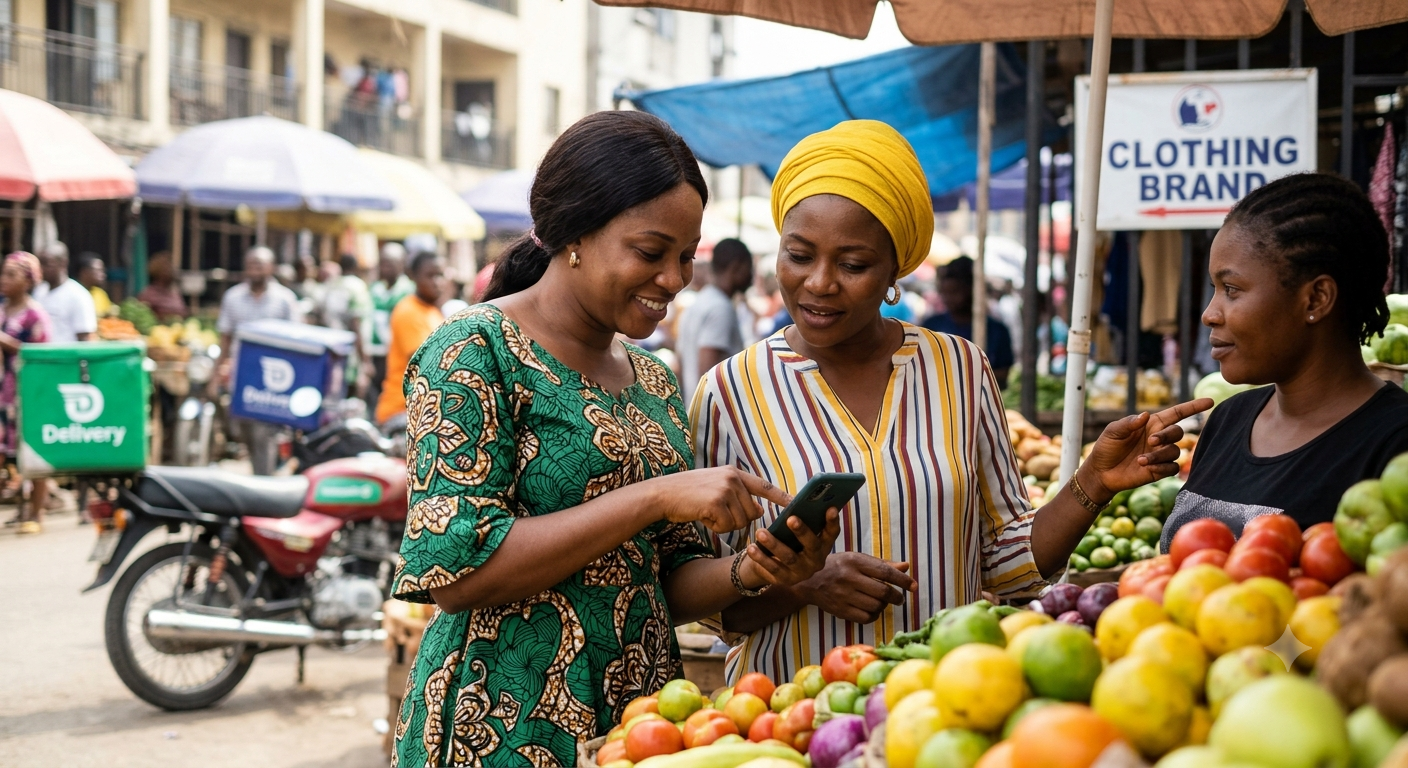
Word of mouth is not a soft metric in Nigeria and Africa at large; it is the actual market. Trust in Nigeria travels through relationships before it travels through media: the Whatsapp status, the community group chat, the women who vouch for a vendor because their sister bought from them and had a good experience. In a market where fraud, poor delivery, and unreliable service are common enough to be expected, a business that consistently gets the small things right becomes a story people repeat unprompted. That story does more for growth than a paid campaign ever will, and it costs nothing beyond doing the work properly.
This matters more in Africa than in markets where infrastructure and institutional trust are already assumed. In the West, customer experience is one differentiator among many, competing with product innovation, brand heritage, and price. In Nigeria, where trust is the scarce resource and inconsistency is the norm, customer experience is often the only signal a business fully controls.
It is also important to redefine what customer experience actually means. Too often, businesses reduce it to customer care, treating it as something that begins only when a complaint is made. In reality, customer experience starts long before a customer speaks to a support agent and continues long after a purchase is complete. It is the experience of discovering your brand, how easy it is to buy from you, whether your product delivers on the promise your marketing made, how reliably your service performs, and finally, how your business responds when customers need help. Every interaction either reinforces or weakens trust. The brands that consistently win understand that customer experience is not a department; it is the sum of every promise made and every promise kept.
Businesses Already Winning Through Customer Experience
1. PiggyVest: Trust Before Advertising
PiggyVest did not become one of Nigeria's most recognizable fintech brands because it outspent competitors on advertising. It became successful because it consistently delivered on its promise.
For years, customers shared screenshots of successful withdrawals, disciplined savings journeys, and responsive customer support. Those organic testimonials spread across X (formerly Twitter), WhatsApp, and personal conversations, making PiggyVest one of the most trusted financial brands among young Nigerians.
The marketing wasn't just the campaigns.
The marketing was the product working exactly as promised.
2. Moniepoint: Reliability Became the Brand
Moniepoint's rapid growth among Nigerian businesses wasn't driven by flashy consumer campaigns.
For many POS agents, why they switched is a simple one:
"It works."
When competitors experienced frequent downtime, Moniepoint built a reputation for reliability, and merchants recommended it to other merchants because every successful transaction reinforced trust.
Every successful payment became a referral engine.
Practical Steps Businesses Can Take
1. Map Every Customer Touchpoint
Ask yourself:
How easy is it to discover us?
How long do we take to respond?
Is payment stressful?
Does delivery create anxiety?
What happens after purchase?
Every touchpoint either builds or destroys trust.
2. Empower Frontline Staff
Frontline employees interact with customers far more frequently than any executive ever will, and each interaction shapes how people perceive the brand. If they leave customers feeling valued, respected, and confident in your business, they become one of your most effective marketing assets. If they don't, no amount of advertising can fully repair the damage.
3. Respond Publicly to Problems
With social media culture, everyone watches how brands respond.
A complaint handled professionally often creates more trust than a transaction that went perfectly. Consumers value accountability over perfection.
The Shift This Requires
Nigerian businesses need to stop treating customer experience as a support function that reacts to complaints and start treating it as a growth function that generates referrals. That means training every customer-facing role to understand that they are not only executing a transaction, they are shaping whether that customer becomes a source of new customers. It means building feedback loops that catch friction before it becomes a bad story shared to five hundred people in a group chat, or a viral post on TikTok.
Marketing can go so far, but businesses that understand early that in a high-trust-deficit market, how you make people feel at every single interaction is a part of your campaign will win the next decade of Nigerian consumers.
Written by
Valerie Vishnay
Chief Marketing Officer at Antropee. Writing about marketing strategy, brand-building, and growth in African markets.