How African Businesses Can Win with Social Media in 2026
Social media is no longer optional for African businesses. It's the primary battleground for brand growth. Here's what winning looks like in 2026 and how to get there.
Phinehas Emmanuel
Chief Executive Officer · May 29, 2026
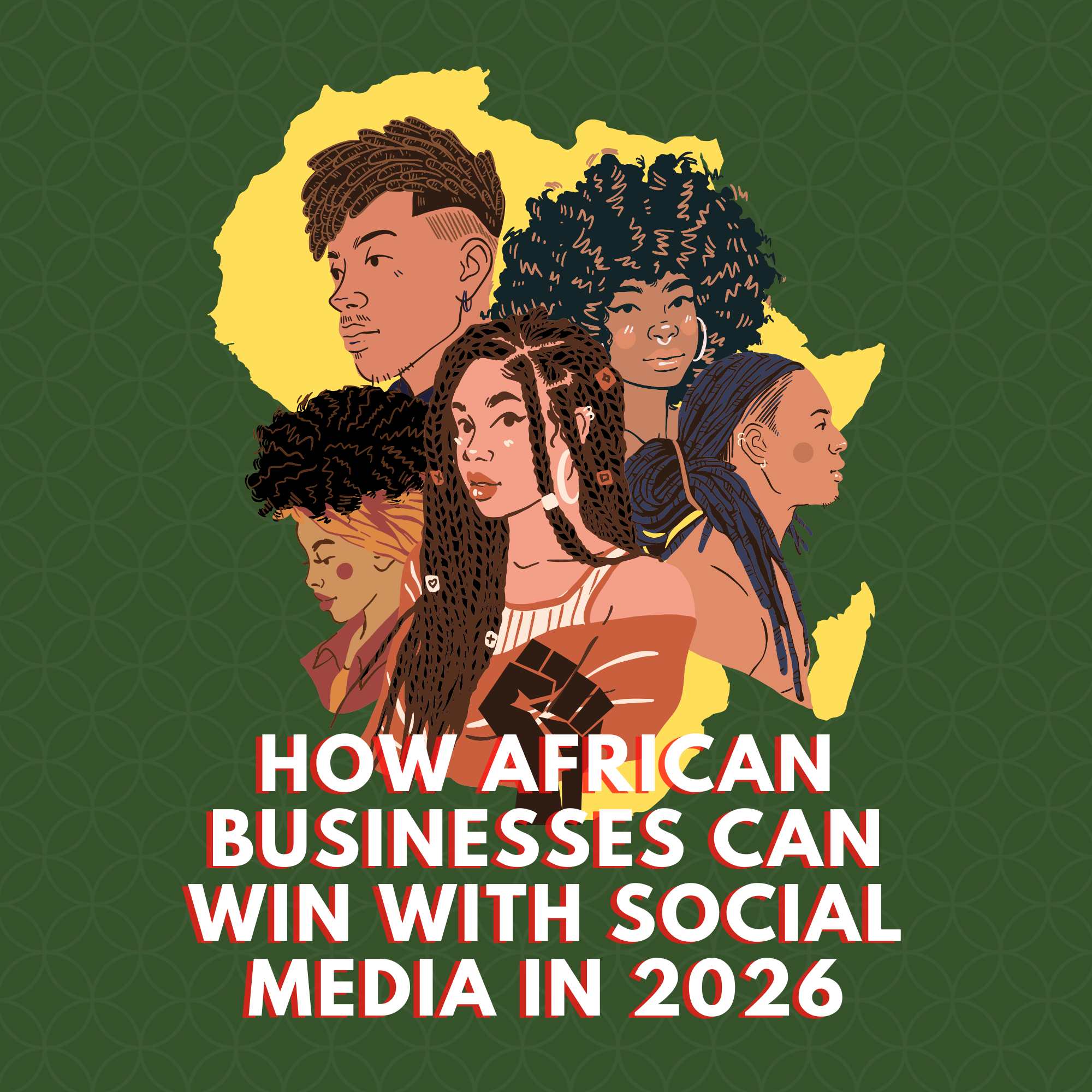
Social media is no longer a supplementary marketing channel for African businesses. In 2026, it is the primary engine of brand discovery, customer trust, and revenue growth across the continent. But winning requires more than just posting. It demands strategy rooted in how African audiences actually behave online.
The African Social Media Landscape Has Shifted
Africa is home to over 400 million social media users, with platforms like TikTok, Instagram, WhatsApp Business, and X (formerly Twitter) dominating daily engagement. Mobile-first usage remains the norm: over 85% of African social media activity happens on a smartphone. Businesses that fail to design for mobile, or that repurpose desktop-first content, are already losing.
What's changed most in 2026 is who is online. Younger demographics (Gen Z and younger millennials across Nigeria, Kenya, Ghana, South Africa, and beyond) are now the dominant consumer class. They are skeptical of traditional advertising, loyal to brands that feel authentic, and quick to amplify (or call out) brands on their feeds.
What Winning Looks Like in 2026
1. Local language and code-switching content
Pan-African audiences don't respond to generic English content the same way. Brands winning on social media are publishing in Pidgin, Swahili, Zulu, Twi, and Amharic, often mixing local languages with English in ways that feel natural. This isn't just cultural sensitivity; it's conversion strategy. When a brand speaks your language, trust goes up.
2. Creator partnerships over traditional influencer deals
The mega-influencer era is fading. African consumers trust micro and nano creators: people with 5,000 to 100,000 followers who have built genuine communities around a niche. Businesses partnering with these voices are seeing better engagement rates and more authentic brand associations than those chasing follower counts.
3. Short-form video as the primary content format
TikTok and Instagram Reels are the highest-reach formats on the continent. Businesses that have invested in consistent short-form video (product demos, behind-the-scenes, customer stories) are driving the most organic growth. The barrier to entry is low; a smartphone and a clear message are enough. The barrier to consistency is where most brands fall short.
4. Community management as a revenue driver
Across West and East Africa, WhatsApp groups and Telegram channels have become where purchase decisions happen. Brands that are active in these spaces, answering questions, sharing offers, and building relationships, are turning community management into a direct sales channel. This is one of the most underutilised strategies in the continent today.
5. Social commerce integration
Instagram Shopping, TikTok Shop, and Facebook Marketplace are increasingly integrated into the buying journey. African businesses that have made it frictionless to move from discovery to purchase within the platform are shortening their sales cycles significantly. If your social media still points exclusively to an external website, you are adding unnecessary friction.
The Mistakes to Avoid
Copying Western social media playbooks without localisation remains the most common failure mode. What works in Europe or North America often misses the mark culturally, economically, or in terms of platform preference. The second biggest mistake is inconsistency: showing up only when launching a campaign, then going dark. Algorithms and audiences alike reward consistency.
The Bottom Line
African businesses that will dominate social media in 2026 are those treating it as an integrated business function, not a marketing afterthought. That means dedicated resources, a localisation strategy, genuine community investment, and content built for how African audiences consume media. The opportunity is enormous. The question is who is willing to put in the work.
Written by
Phinehas Emmanuel
Chief Executive Officer at Antropee. Writing about marketing strategy, brand-building, and growth in African markets.