Customer Retention Strategies: The 3R Framework for Building Customer Loyalty
Most businesses focus heavily on acquiring new customers but neglect what happens after the sale. Discover the 3 Rs of customer retention: Rewards, Relevance, and Recognition and learn practical ways to keep customers coming back, increase loyalty, and drive sustainable business growth.
Ibukunoluwa Popoola
Brand Strategist/Business Development · Jun 17, 2026
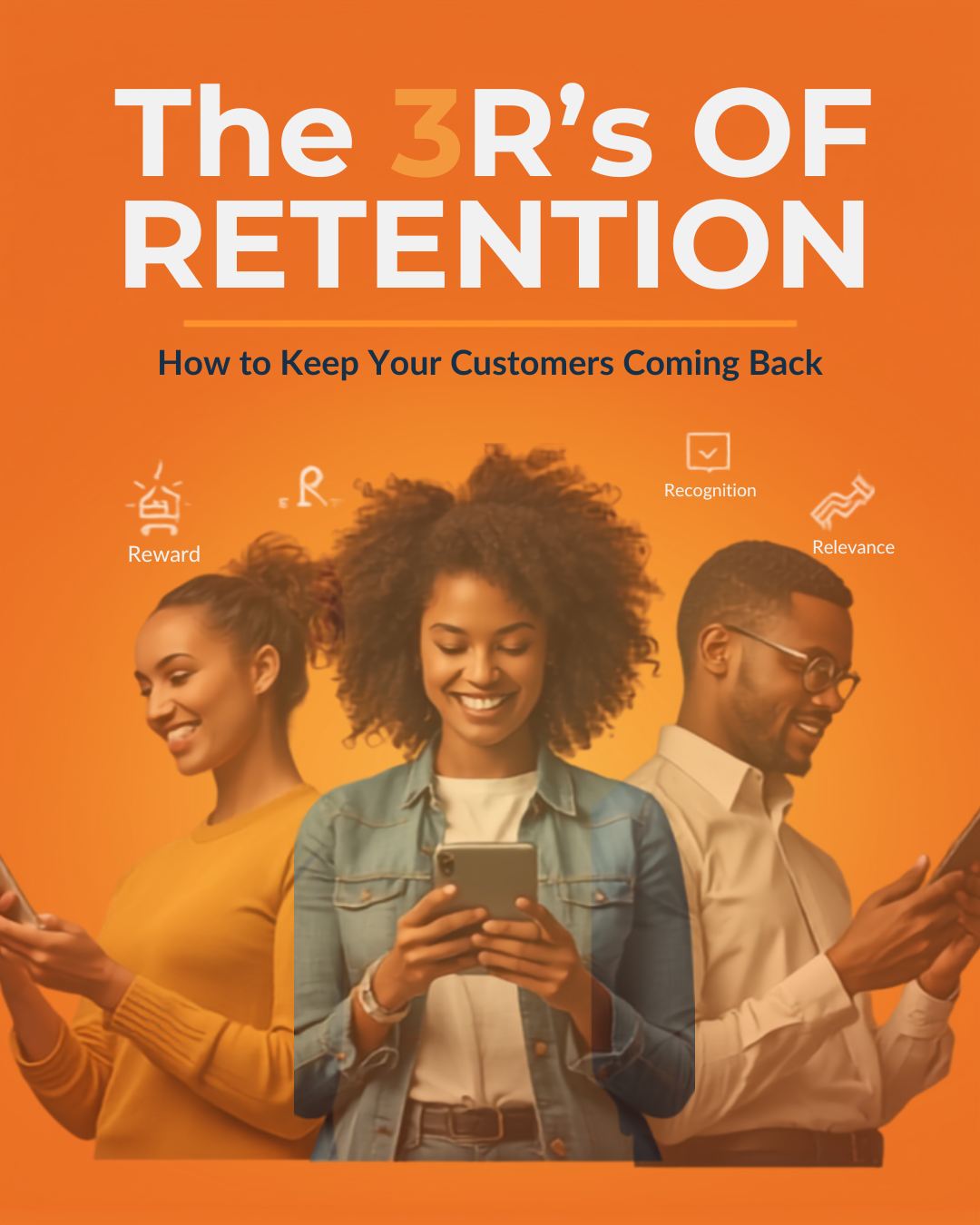
Customer acquisition is often the most visible part of marketing. Businesses invest in advertising, content creation, sales campaigns, and lead generation efforts designed to attract new customers. However, long-term growth is rarely determined by acquisition alone.
Customer retention plays an equally important role in business performance. A company that consistently retains customers benefits from higher customer lifetime value, stronger referral activity, more predictable revenue, and lower acquisition costs over time.
Despite this, many businesses devote significant resources to winning new customers while investing relatively little in keeping existing ones engaged.
In many cases, customers do not leave because of poor products or ineffective marketing. They leave because there is no deliberate strategy for maintaining the relationship after the sale.
At Antropee, we often simplify customer retention into three core principles: Rewards, Relevance, and Recognition. Together, these form what we call the 3R Framework for Customer Retention.
What Is Customer Retention?
Customer retention refers to a business's ability to keep customers returning over time. It measures how effectively a company maintains relationships with existing customers and encourages repeat purchases.
Strong customer retention strategies help businesses maximize the value of customers they have already acquired. Rather than treating every sale as a one-time transaction, retention-focused businesses create systems that encourage ongoing engagement and loyalty.
Reward-Based Customer Retention Strategies
Rewards provide customers with a clear incentive to continue engaging with a business. While many organizations associate rewards with discounts, effective retention programmes often extend beyond price reductions.
Rewards can include loyalty programmes, referral incentives, early access to products, exclusive experiences, personalized offers, or recognition for continued patronage.
The underlying principle is straightforward: customers are more likely to remain engaged when loyalty is acknowledged and reciprocated.
Case Study: Loyalty Segmentation in Retail
A Lagos-based women's fashion retailer identified that approximately 80% of its revenue originated from a relatively small group of repeat customers. Despite this, all customers were receiving identical communications and promotional offers.
The business introduced a three-tier loyalty structure that provided high-value customers with early access to new collections, exclusive previews, and personalized WhatsApp communication from the founder before major sales campaigns.
Within three months, the retailer reported a 34% increase in repeat purchases among loyalty programme members. The product offering remained unchanged, but the customer experience became more intentional.
The outcome demonstrated how structured reward systems can strengthen customer loyalty without requiring significant changes to products or pricing.
Using Relevance to Improve Customer Retention
Many businesses communicate with customers regularly, but frequency alone does not create engagement.
Customers are increasingly exposed to promotional messages across multiple channels. As a result, generic communications often fail to attract attention or generate meaningful action.
Relevance is the practice of tailoring communication based on customer behavior, preferences, purchase history, and needs. Businesses already possess much of this information through transactions and customer interactions. The challenge is using it effectively.
When customers receive information that aligns with their interests and circumstances, engagement tends to increase.
Case Study: Personalized Customer Communication
A skincare brand was distributing a single weekly newsletter to its entire customer database. Despite consistent communication, email open rates remained below 12%.
The company subsequently segmented its audience according to previous purchases. Customers who had purchased moisturizers began receiving content focused on hydration, complementary skincare products, and seasonal skincare recommendations. Other customer segments received content aligned with their own purchasing patterns.
As communication became more relevant to individual customer needs, open rates increased to 38%, accompanied by measurable improvements in conversion performance.
The growth was not driven by a larger audience but by a more relevant message.
Recognition as a Customer Loyalty Strategy
Recognition is often the least utilized element of customer retention, despite its potential impact on customer relationships.
While automated thank-you emails have become standard practice, recognition involves demonstrating genuine awareness of a customer's relationship with the business.
Recognition can take many forms, including personalized messages, anniversary acknowledgements, milestone celebrations, founder outreach, or tailored customer experiences.
The objective is not merely to acknowledge a transaction but to acknowledge the individual behind it.
Businesses that consistently recognize customer loyalty often create stronger emotional connections than competitors focused solely on pricing or promotions.
Case Study: Community-Driven Retention
A privately owned fitness centre in Abuja faced increased competition when a larger international gym entered the market offering newer facilities and lower membership fees.
Rather than competing directly on price, the gym focused on strengthening member relationships. Staff maintained personal contact with members, celebrated fitness milestones, organized community activities, and created opportunities for interaction beyond standard training sessions.
During the period following the competitor's launch, membership attrition remained significantly lower than expected, while new member acquisition continued through referrals and community advocacy.
Member feedback consistently highlighted a sense of belonging and personal connection as a primary reason for remaining with the business.
The experience demonstrated that customer loyalty is often influenced by emotional connection as much as product features or pricing.
How to Apply the 3R Framework
Businesses do not need to implement complex retention systems immediately. In many cases, meaningful improvements begin with a simple evaluation of existing customer relationships.
A useful starting point is to identify repeat customers and assess the current experience from their perspective.
Questions worth considering include:
Do customers receive meaningful rewards for continued patronage?
Is communication tailored to their needs and purchasing behavior?
Do they feel recognized and valued as individuals rather than transactions?
The answers often reveal the most immediate opportunities for improvement.
The Bottom Line
Customer retention is one of the most effective ways to improve profitability, increase customer lifetime value, and create sustainable business growth.
While acquisition remains essential, businesses that focus exclusively on attracting new customers often overlook opportunities that already exist within their current customer base.
The 3R Framework, Rewards, Relevance, and Recognition, provides a practical structure for strengthening customer relationships and encouraging long-term loyalty.
Organizations that consistently apply these principles are often better positioned to generate repeat business, referrals, and sustainable growth than those that rely solely on continuous customer acquisition.
Written by
Ibukunoluwa Popoola
Brand Strategist/Business Development at Antropee. Writing about marketing strategy, brand-building, and growth in African markets.